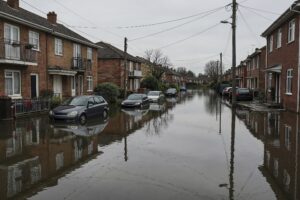


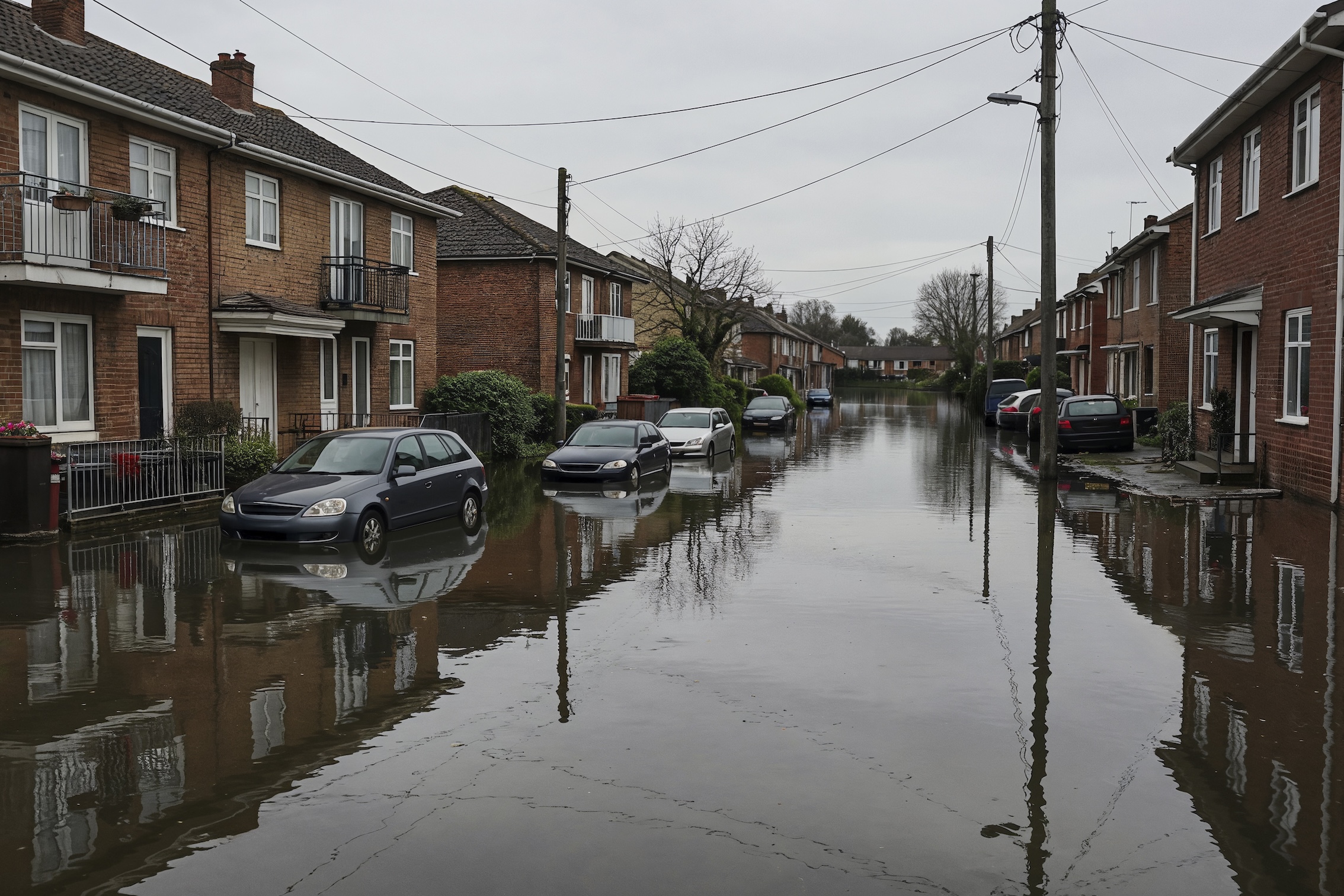
Some parts of Wales could be at risk of flooding, especially during the winter. Here are some tips as we approach the wettest time of year to prepare for a flood and keep yourself safe if it happens.
Why does flooding happen?
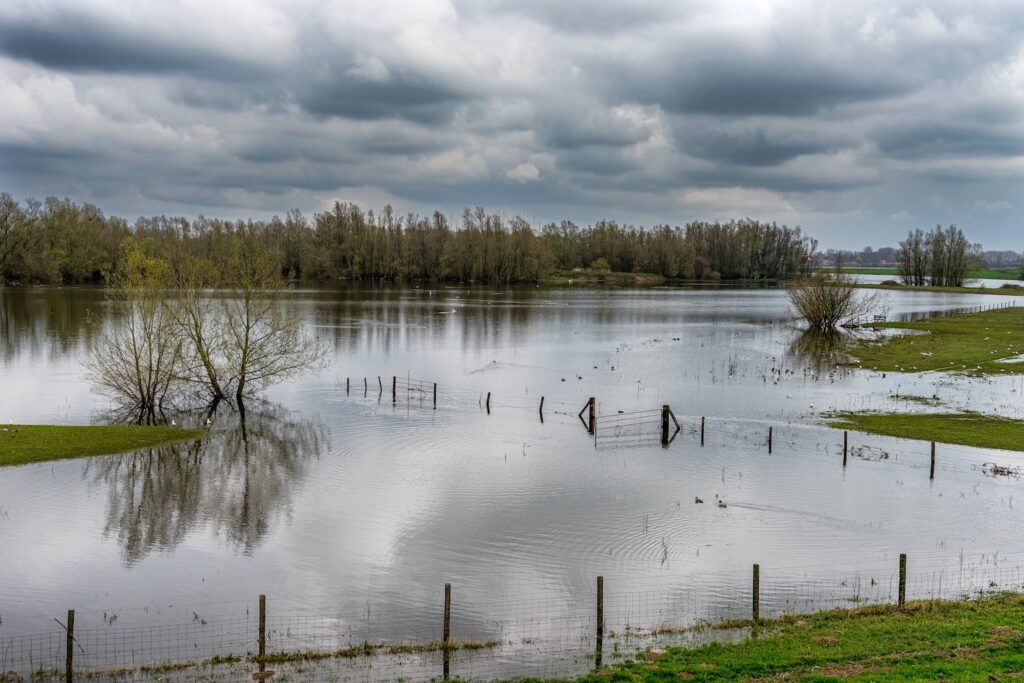
Flooding happens when there is heavy rainfall within a short space of time and rivers and streams can’t drain away the excess water fast enough.
Climate change means that flooding happens more often, but don’t worry – the Welsh Government is spending millions of pounds every year on building flood defences and there are things you can do to prepare and keep yourself safe.
What parts of Wales are most at risk of flooding?
Areas of Wales that are near the coast, rivers, or reservoirs face the highest risk of flooding. You can enter your postcode here to check the risk of flooding in your area.
How to prepare for a flood
1. Check your flood risk
You can use these tools from Natural Resources Wales or the Welsh Government to find out if your home is at risk of flooding. You can also set up flood warnings so you’ll get an alert if they think your area is likely to flood.
2. Write a flood plan
Put a plan in place for what you’ll do if a flood happens, write it down, and share it with friends and family members so they know what to do. If you live in a house that has two floors, stay upstairs away from the floodwater. If you live in a bungalow or ground-floor flat, you should arrange somewhere else you can go to and stay until the flood ends.
3. Store valuable and sentimental items high up
If you live in a high-risk area, it’s wise to keep anything you don’t want to lose somewhere high up all year round, like on top of a cupboard or bookshelf. This way you won’t have to worry about moving them if there’s a flood.
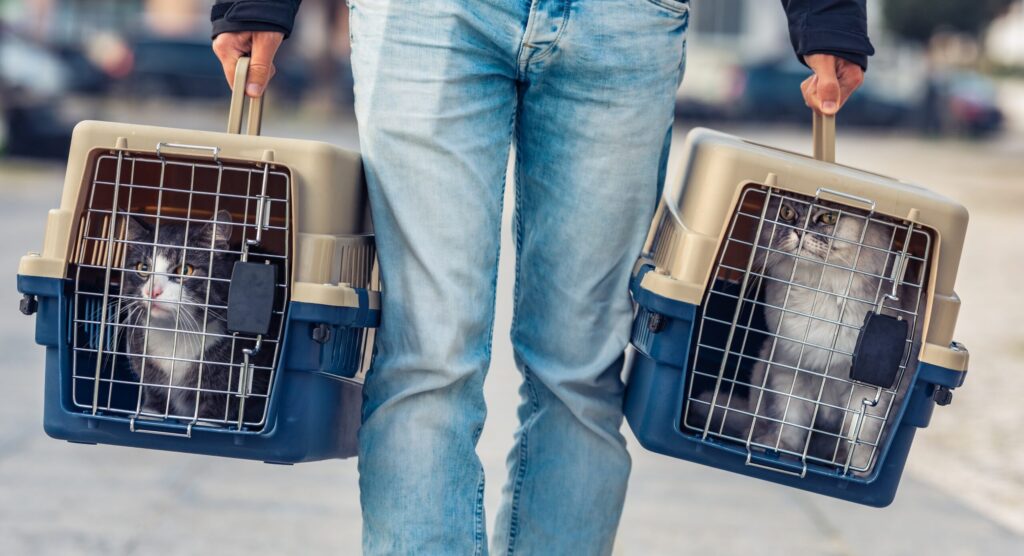
4. Keep your pets safe
Floods are dangerous for animals as well as people! Make sure you take your pets with you if you evacuate (leaving your home for a bit to go somewhere safer) or keep them upstairs, away from the water. The RSPCA has a guide on keeping animals safe during a flood.
5. Pack a flood kit
Prepare a bag of essential items to take with you if you have to evacuate, and make sure you and the people you live with know where it is. It should include things like:
- Important documents (like your ID and home insurance documents if you have them)
- A phone, charger, and battery pack
- A torch
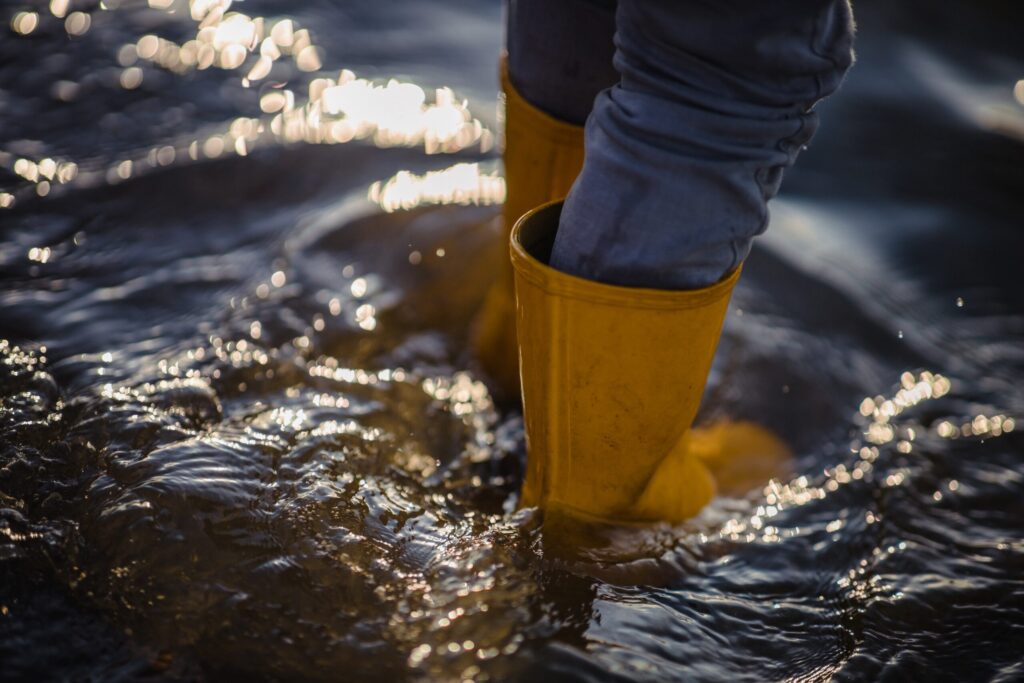
- Warm, waterproof clothing, rubber gloves, face masks, and Wellington boots
- A first aid kit
- Any prescription medication you need
- Pet supplies if you have pets
- A list of important phone numbers, in case your phone gets lost or damaged (including Floodline, who are open 24/7 – 0345 988 1188)
6. Turn off gas, electricity, and water
For safety, you should turn off your gas, water, and electricity supplies during a flood.
- The gas valve is usually next to your gas meter
- Your electricity main is usually a red switch on your fuse box
- Your water stopcock is usually under a kitchen sink or where the water pipe enters your home
If you’re unsure how to do this, you can contact your energy supplier for help.
7. Avoid contact with floodwater
Floodwater is not safe. It is usually contaminated by things like sewage, chemicals, and animal poo. When you’re cleaning up after a flood, you should wear gloves and protective clothing. Public Health Wales offers advice on staying safe and healthy during and after a flood.
Flooding and Mental Health
Flooding can be traumatic. The flood itself, as well as the clean-up afterwards, can cause stress and anxiety. When cleaning up, take a break if it becomes too overwhelming and be sure to lean on friends and loved ones for help.
If you’re worried about flooding or feeling upset by the impact of it, Meic is here for you.
Contact us for free for confidential advice and advocacy.