







This blog looks at the ways war and conflict far away can still change our lives closer to home, and how to manage the worry it brings.
What is conflict?
Conflict is a word used when countries or groups have a serious disagreement that leads to fighting. It causes a lot of pain for the people living through it. Many people lose their homes, which is called displacement and means that they have to move to new places just to stay safe. There are also many stories of people being hurt or losing their lives. Seeing this on the news can make us feel very sad and helpless.
The ripple effects at home
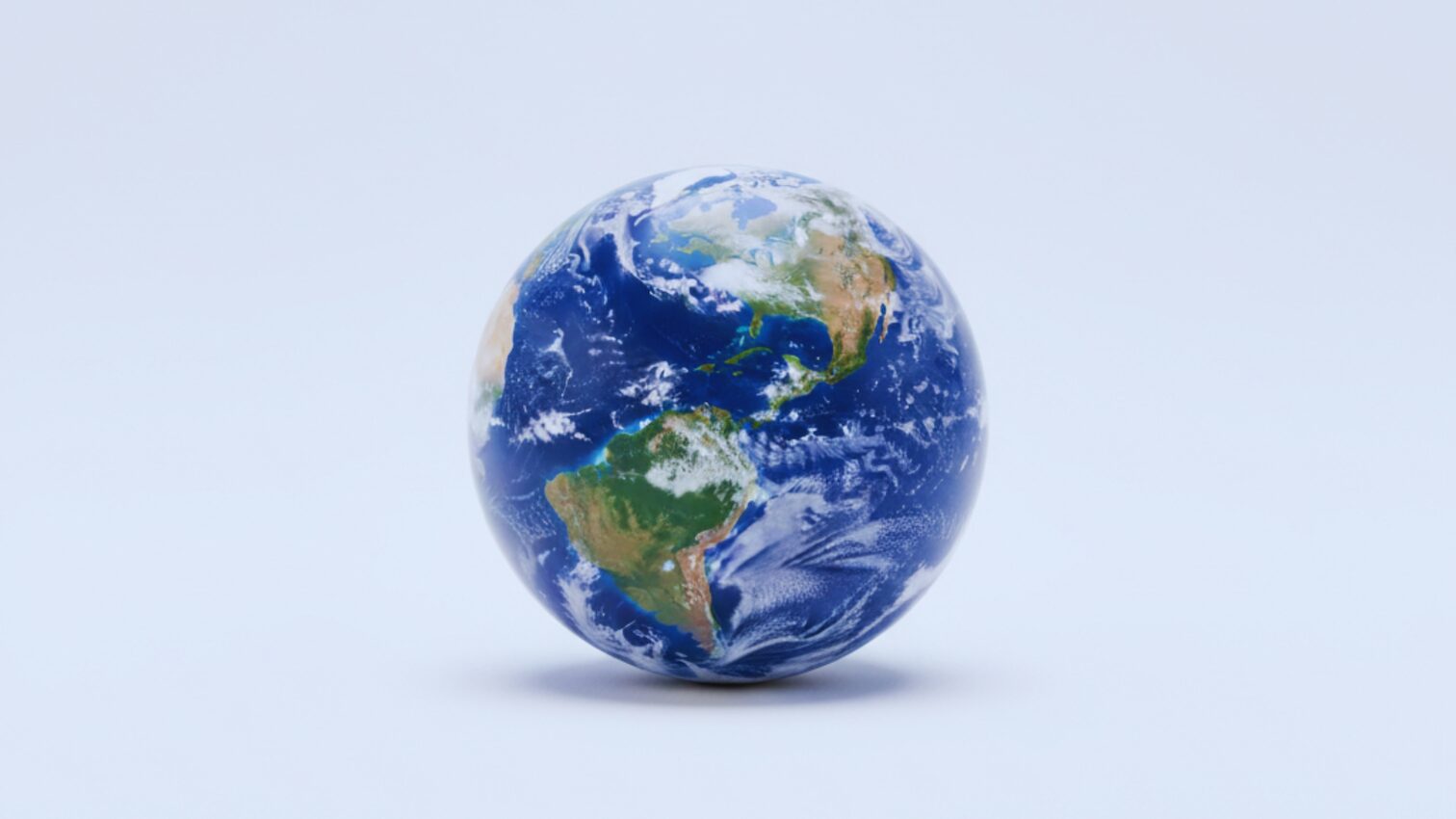
When we hear about conflict in other parts of the world, it can feel very scary. Even if a conflict is happening thousands of miles away, we can still feel the ripple effects. Think of a stone being thrown into a pond – the splashes reach much further than where the stone landed.
One way this happens is through financial pressure. This is when things cost more money than they used to, making it harder for families to pay for what they need. You might notice that the price of fuel for cars goes up, or that some foods in the shop are harder to find.
These changes can affect your plans too. Holidays might become much more expensive, or flights might be cancelled because it isn’t safe to fly over certain areas. This can be disappointing if you were looking forward to a trip.
When prices go up, it can cause a lot of stress at home. Parents or carers might worry more about money, and you might feel that tension in the house. It’s important to know that these feelings are a normal reaction to a difficult situation around the world.

The impact on your mental health
Constant updates about war can take a toll on your mental health and wellbeing. Seeing videos of fighting on social media can make the world feel like an unsafe place. You might feel anxious, and it can make it hard to focus on school or enjoy your hobbies.
Sometimes, you might feel compassion fatigue. This is when you care so much about what is happening to others that you start to feel exhausted or drained. It doesn’t mean you’ve stopped being a kind person – it just means your brain needs a break from the heavy information. It is okay to turn off the news and focus on your life for a while. Taking care of yourself helps you stay strong enough to care about others.
Finding ways to cope
There are things you can do to feel a bit more in control. Instead of checking the news all day, try to look at it only once or twice. Make sure you’re getting your information from reliable sources, rather than just from random accounts on social media.
If you want to help, you could look into local charities that are sending aid to the people affected. Aid can be things like food, clothes, or medicine. Doing something positive can help you feel less helpless.
Remember, you aren’t responsible for fixing the world’s problems. It’s okay to keep doing the things that make you happy, like seeing friends or keeping up your hobbies. Sticking with a routine can help you feel safe when things feel uncertain, too.
Talking about your worries with a friend or a trusted adult can also help. Often, just saying out loud how you feel can make things feel a bit lighter. If you’d like to chat but aren’t sure who to turn to, talk to Meic!
Meic is a helpline for children and young people in Wales to access free information, advice and advocacy.