


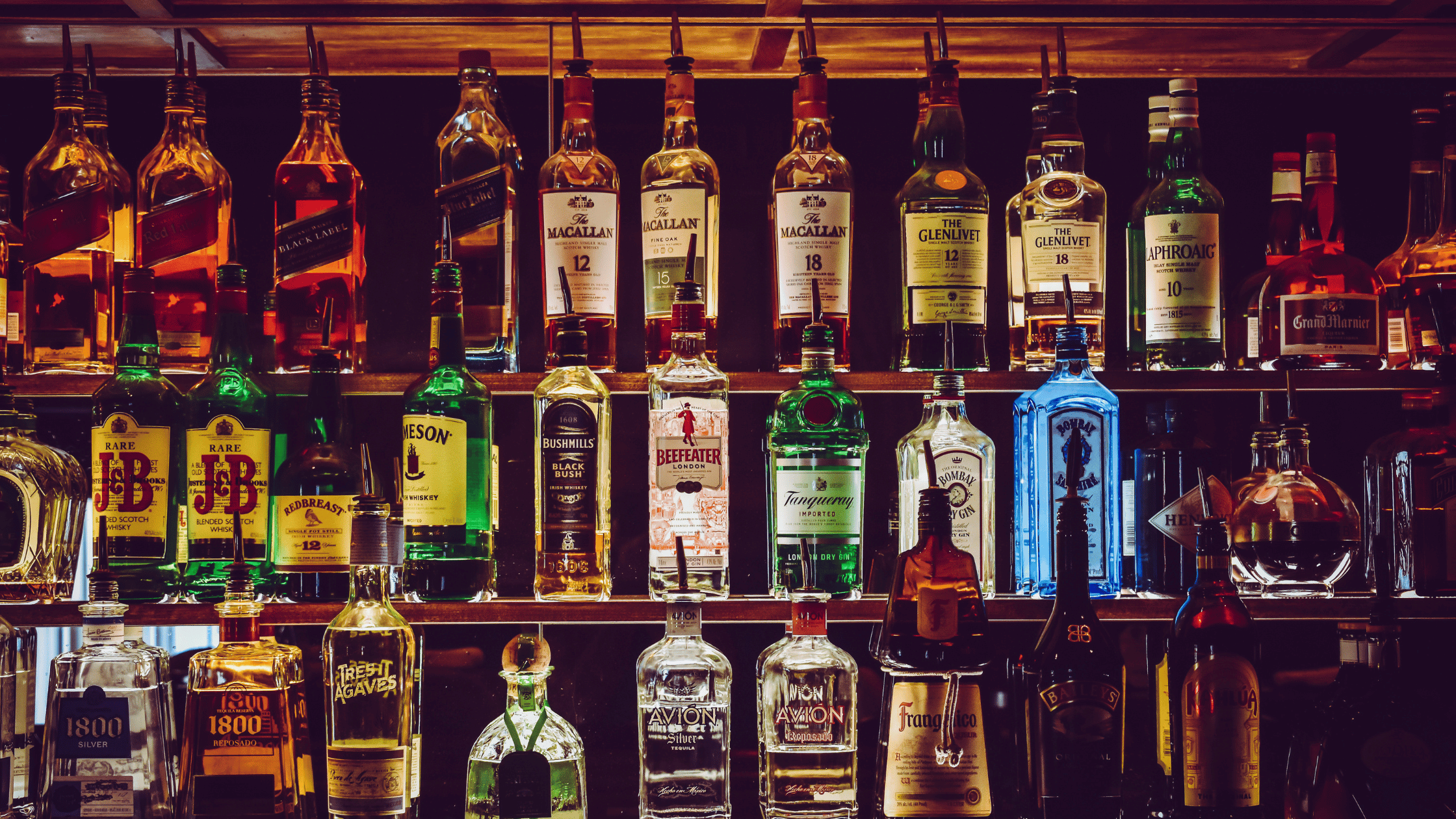
What it’s like to choose not to drink or use drugs, and how to feel good about that choice around friends, parties and everyday life.
What is sobriety?
Sobriety means not drinking alcohol or taking drugs. Some people choose it for a short amount of time, like a month off for Sober October or Dry January, and others do it all the time.
For some young people, drinking alcohol or taking drugs is something they’ve never started. For others, it comes after deciding their drinking or drug use wasn’t good for them.
Why young people choose it
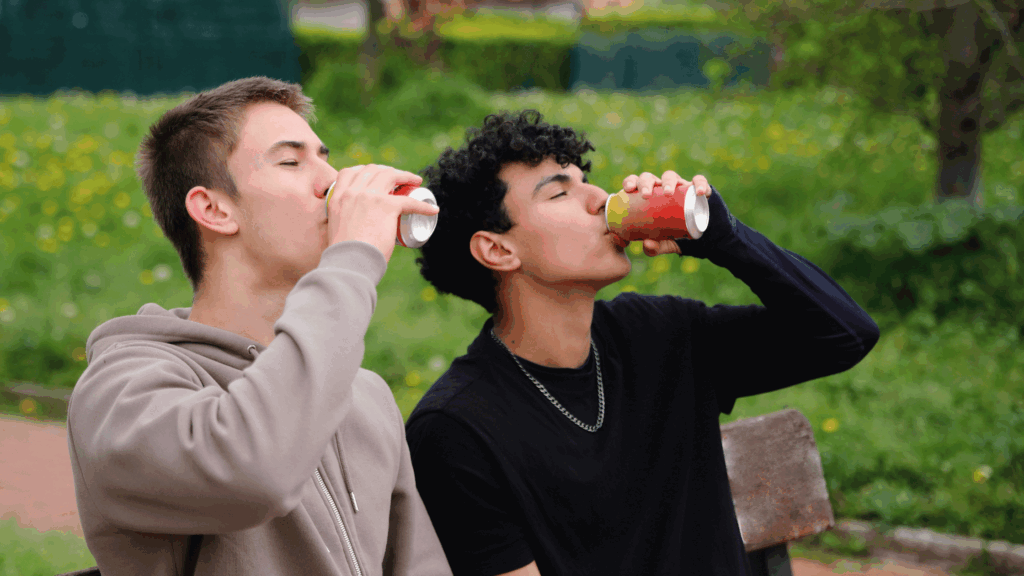
People choose sobriety for lots of reasons. Some want to feel healthier, sleep better or have more energy for sport, schoolwork or hobbies. Some have seen how alcohol or drugs have affected someone close to them. Others just don’t like how it makes them feel, or they’d rather save their money.
For some, it’s about their health. Alcohol and drugs can change how you think, feel and act, and some people don’t like that. If you’re pregnant, it’s safest to avoid them completely, as they can harm the baby.
Certain medicines don’t mix well with alcohol, including some antibiotics and antidepressants. Drinking while taking them can make you feel unwell or stop the medicine from working properly. If you’re not sure whether you can drink on your medication, check the leaflet that comes with your medicine or ask a pharmacist or your GP.
Religion and culture can be part of it too. In some faiths and communities, alcohol and drugs aren’t part of everyday life, and being sober feels natural. Others choose it because it fits with their own values and how they want to live.
More and more young people across the UK are choosing to drink less or not at all. So if you’re thinking about it, you’re not alone.

Handling questions and pressure
One of the most difficult parts of being sober can be other people’s reactions. Friends might ask why you’re not drinking, or try to persuade you to have “just one”.
Sometimes, people feel the pressure even more when at an event where it’s ‘normal’ to take substances, like a wedding, club night or celebration like birthdays, Christmas or New Year.
Most of the time, people aren’t trying to be mean. They might be surprised, or feel a bit awkward about their own choices. Others just want you to have a good time, and can’t understand how you can do that sober.
It can help to have a simple answer ready. Something like “I’m not drinking tonight” or “I’m good, thanks” is enough. You might also find it easier to hold a soft drink or an alcohol-free drink, so fewer people ask.
If someone keeps pushing after you’ve said no, that’s pressure, and it’s okay to step away or spend time with other people. Real friends will respect your choice, even if they make a different one.

Having fun without alcohol or drugs
Some people worry that being sober will make them feel left out. It might feel strange at first, especially if drinking is a big part of how your friends socialise. Over time, lots of people find they enjoy remembering their nights out, waking up feeling fresh, and having proper conversations.
You could suggest plans that aren’t built around drinking, like cinema trips, gigs, sport, gaming nights or going for food. You might also find new friends through clubs, volunteering or groups with shared interests.

What the law says
In the UK, you have to be 18 to buy alcohol. Adults also aren’t allowed to buy it for you if you’re under 18, and police can take alcohol off you if you’re drinking it in public. Drugs like cannabis, ecstasy and cocaine are illegal at any age, and having or sharing them can lead to serious trouble.
Even if you’ve done something against the law, you can still get help. Support services are there to listen, not to judge you or get you into trouble. They’ll keep what you say private, though they might need to share information if they’re worried you or someone else isn’t safe.
If you’re finding it hard to stop
If you’ve been drinking or using drugs and want to stop, but it’s harder than you expected, that’s really common. It takes time, and setbacks can happen. They aren’t a sign you’ve failed.
Talking to someone can make a big difference. That could be a friend, a family member, a teacher, a youth worker or your GP. In Wales, DAN 24/7 is a free and confidential helpline for anyone wanting information or support about drugs and alcohol.
You can also find more information and places to get support with addiction on our website.
If you ever feel unwell or unsafe after drinking or taking something, please get help straight away by calling 999.

Being proud of your choice
Being sober can take confidence, especially when it feels like everyone around you is doing something different. Whatever your reasons, it’s worth being proud of yourself for making a choice that feels right for you.
Remember, you’re allowed to change your mind, take things one day at a time, and ask for support whenever you need it. If you’d like to talk things through, Meic is here to listen and help you find the right support.