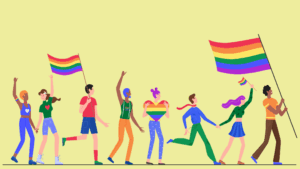








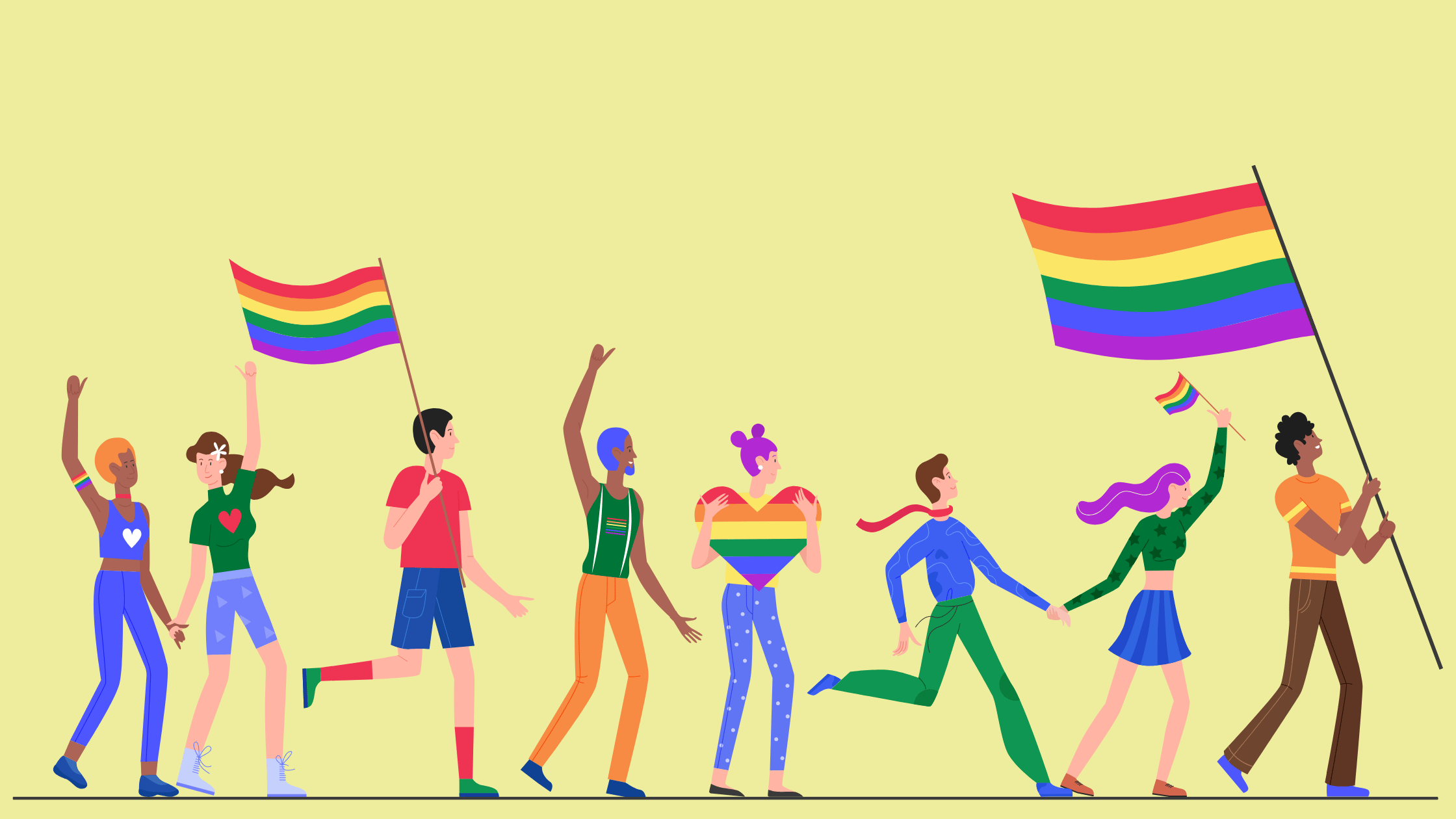
Every June, Pride Month is celebrated across the world. However, a common question often comes up: If UK laws protect equal rights, why do we still have Pride?
A brief history of LGBTQ+ rights in the UK
The legal rights that exist today were achieved through decades of campaigning. Advocacy groups, like Stonewall, played a big part in pushing for changes to UK laws.
Here is a timeline of some important legal milestones in modern UK history:
2000 – Ban on Military Service lifted
Until this change, LGBTQ+ people were banned from serving in the British military. They could be kicked out or have their medals taken away if their identity was discovered.
2001 – Equalising the Age of Consent
The Sexual Offences Amendment Act changed the age of consent for gay and bisexual men to 16. This finally matched the rules for heterosexual people after 35 years of legal inequality.
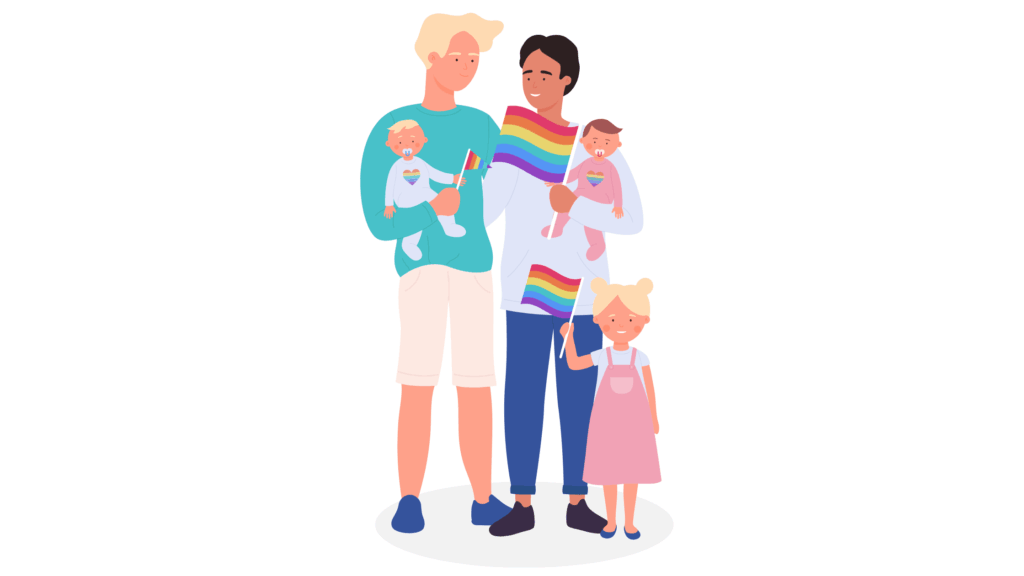
2002 – Adoption Rights
The Adoption and Children Act came into effect. This allowed unmarried couples, including same-sex couples, to apply to adopt children together.
2003 – Repeal of Section 28
Section 28 was a law introduced in 1988 that stopped schools from teaching or talking about homosexuality. It took 12 years to overturn in Scotland (2000) and 14 years in England and Wales (2003).
2013 – Marriage Equality
The Marriage (Same-Sex Couples) Act legalised same-sex marriage in England and Wales. Scotland followed with a similar law in 2014, and Northern Ireland in 2020.
The gap between law and reality
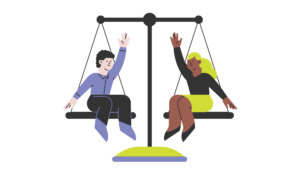
While laws outline legal protections, everyday experiences don’t always change at the exact same speed as the rules.
Research highlights that discrimination, which means being treated differently or unfairly because of who you are, is still a problem for many LGBTQ+ young people in their daily lives.
A report by a charity called Just Like Us (2021) found that LGBTQ+ school students were twice as likely to have been bullied in the previous year compared to non-LGBTQ+ students. This includes unfair treatment in classrooms, online spaces, and group chats.
According to a YouGov study published in 2026, 37% of LGBTQ+ people said they had faced discrimination through someone else’s language, attitude, or behaviour while exercising or trying to exercise in public.
While LGBTQ+ rights are protected under UK law, safety around the world varies a lot. Currently, intimacy between same-sex couples is still illegal in nearly 60 countries worldwide.
Understanding your rights
Rights are designed to protect everyone equally, no matter who you are, where you live, or what you believe.
- For children and young people under 18, rights are protected under the United Nations Convention on the Rights of the Child (UNCRC)
- For adults in the UK, these core rights are set out in the Human Rights Act 1998
To help close the gap between legal rights and everyday reality, the Welsh Government created an official LGBTQ+ Action Plan for Wales. This plan aims to tackle discrimination and make Wales a safer place to live.
While LGBTQ+ rights are protected under UK law, safety around the world varies a lot. Currently, intimacy between same-sex couples is still illegal in nearly 60 countries worldwide.
Meic is someone on your side
You don’t have to carry your worries by yourself. No matter what you’re going through, Meic is someone on your side.
You can contact us by phone, WhatsApp message, text, or online chat. Meic is free, and we won’t judge you. See how Meic can help you.