








What counts as a hate crime, how it can affect people, and the different ways to report it.
What is a hate crime?
A hate crime is when someone commits a crime against a person because of who they are. It also counts if it’s because of who they think that person is.
The law in Wales recognises five types of hate crime. They’re based on someone’s race, religion, sexual orientation, disability or transgender identity.
- Race includes things like skin colour, nationality and where your family comes from
- Religion includes having no religion at all
- Sexual orientation means who you’re attracted to
- Disability means a physical or mental health condition that has a big, long-lasting effect on someone’s everyday life
- Transgender identity means when someone’s gender is different from the sex they were given at birth
Hate crimes can happen anywhere. It could be on the street, at school, on the bus or online. It might be threats, hitting someone, damaging their things or sending abusive messages. What makes it a hate crime is the fact that the action is illegal and because of the reason behind it.
What about hate incidents?
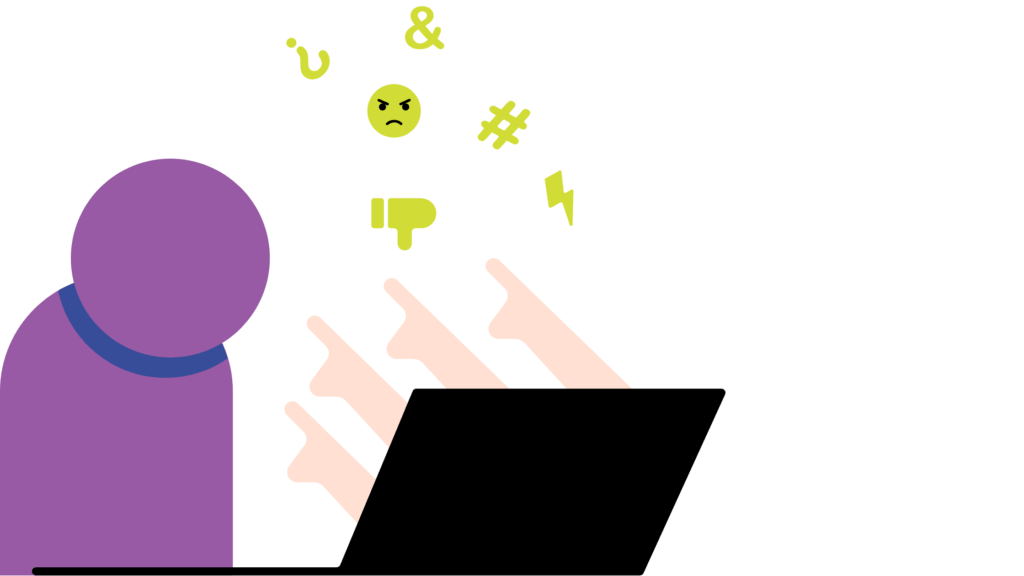
Sometimes something hateful happens that isn’t against the law. This is called a hate incident. It could be a hurtful comment or someone being picked on because of who they are.
Hate incidents can still be reported. Reporting them helps the police and support services spot patterns and keep people safer.
It’s important to know that the lines can blur between hate incidents and a hate crime. For example, if someone says hateful comments again and again, then that can be considered harassment, which is a crime.
How hate crimes can affect you
Being targeted for who you are can really hurt. You might feel scared, angry, sad or alone, or start to feel unsafe in places that you used to enjoy. You might avoid school or work, stay in more, or stop doing things that you love.
It can knock your confidence too. You might even start to feel ashamed of who you are, even though you’ve done nothing wrong.
However you feel after something like this is okay. Everyone reacts in their own way.
Hate crime can affect whole communities as well. When one person is targeted for who they are, others who share that identity can feel worried too.
If it’s happened to you
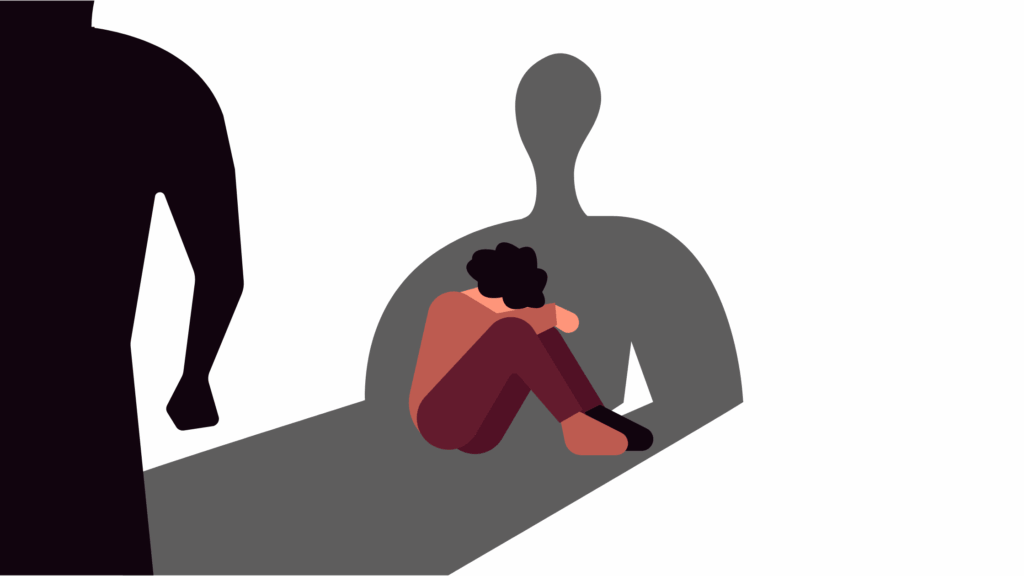
What happened isn’t your fault. You have every right to feel safe and be yourself.
If you’re in danger, try to get somewhere safe first. Telling someone you trust can really help. That could be a family member, a teacher, a youth worker or a friend.
If you can, it might help to write down what happened. Note the date, time, place and anything that was said or done. Screenshots of online messages can be useful too, as this acts as evidence. It’s a good idea to save them before you block anyone.
How to report hate crime in Wales
If someone’s in danger or it’s happening right now, call 999. For non-emergencies, you can call the police on 101. You can also report online through your local police force’s website.
Another option is the Wales Hate Support Centre. It’s run by a charity called Victim Support. You can call them free on 0300 30 31 982, any time of day or night. You can also report online. They can listen, talk through your options and support you, whether you go to the police or not. If you’re 13 or over, you can contact them yourself. If you’re under 13, a parent or carer can help you get in touch.
You can also call Fearless, as part of Crimestoppers, on 0800 555 111.
Reporting can feel like a big step. It’s okay to take your time. Support is there whenever you’re ready, even if it happened a while ago!
If you see it happen to someone else
If you see hate crime happen to someone else, your safety comes first. Getting involved in the moment can sometimes put you at risk.
You could check on the person afterwards and let them know they’re not alone. You could also help them report it. Or you could report it yourself as a witness, which means you saw what happened. Small things like this can make a big difference.
Talk to Meic
If something’s happened and you’re not sure what to do, you can talk to Meic. We can listen, help you work out your options and support you to report it if you’d like to.
Meic is free and confidential, and open 8am to midnight every day.