








Managing your first wage might be daunting. This blog looks at what to expect when you get paid, understanding your payslip, and how to look after your hard-earned money.
Stepping into the world of work
Getting your first ever job is a massive milestone. It might be a full-time role, a part-time gig around your studies, or a temporary job to keep you busy during the summer holidays.
No matter what kind of job it is, starting work means new responsibilities and a lot more freedom. Best of all, it means earning your own independent money.
What are PAYE and HMRC?
When you see your first payslip, you might notice your actual take-home pay is a bit lower than you expected. This is usually because of a system called PAYE, which stands for Pay As You Earn.
PAYE is only used when you work for an employer. It means they automatically take tax and National Insurance out of your wage and send it straight to HMRC, which is the government department that collects tax.
In the UK, you can earn up to £12,570 a year before you have to pay any Income Tax. If you’re working part-time or just for a few weeks, you probably won’t reach this limit.
Sometimes, when you start a new job, you might temporarily get put on an emergency tax code, while HMRC waits for your details to update. This just means you might pay a bit too much tax on your first few payslips. Don’t panic if you see this, it’s easily fixed. Tell your employer or contact HMRC. Any extra money you paid will be refunded straight into your pay.
Setting up the right bank account
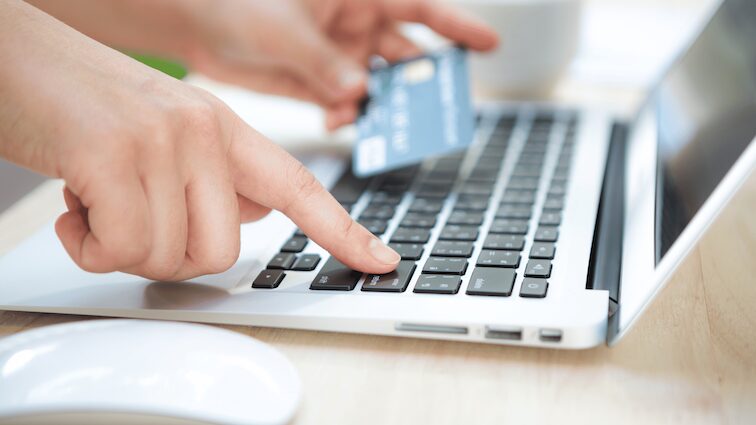
To get paid, your boss will need your bank details. If you don’t have a bank account yet, you can set one up quickly online or by visiting a local high street branch. You’ll just need some proof of ID and your address.
Resist the urge to spend it all
When that first wage drops, it can be so tempting to go on a massive shopping spree or buy everything you’d like. You worked hard for it, so you definitely should treat yourself to something nice, but try not to blow the whole lot straight away.
A good trick is to split your money the day you get paid. Budgeting your wage can really help. Why not try the 50/30/20 method, which can help you figure out how much money to put into a savings account or a digital pot before you start spending. You’ll thank yourself later when you still have cash left over for bigger goals.
Figure out your expenses
Even if you live at home, having a job usually comes with a few new everyday costs. It’s a good idea to sit down and figure out your regular expenses.
For example, do you need to:
- Pay for a bus or train ticket to get to work?
- Buy lunch while you are there?
- Pay for a specific uniform?
- Contribute toward bills or rent at home?
Deduct these costs from your wage first, so you know exactly how much spending money you actually have left.
Keep your payslips safe
Every time you get paid, your employer has to give you a payslip. This can be a piece of paper or a digital document online that they send by email, an online system or an app.
Don’t just delete or throw them away. Payslips are proof of your income, and you might need them in the future if you want to rent, get a phone contract, or apply for a loan. They also show your tax code and National Insurance number, which are really useful to keep track of.
Need support?
Getting a first job is a huge milestone – well done! If you ever feel like you’re being treated unfairly at work or feel confused by your pay, you can always reach out to us at Meic for support.