







Meningitis and sepsis are serious conditions, but knowing the warning signs can make a huge difference.
You might have heard reports about a rise in meningitis cases in Kent. Public Health teams and schools are sharing information to make sure everyone stays safe. While it is important not to panic, staying informed is the best way to protect yourself.
Understanding the risks
Meningitis is an infection of the lining around the brain. One common type is called Meningitis B (MenB). Most people under 10 years old had the MenB vaccine as babies. However, this vaccine was only introduced in 2015. This means most secondary school and university students have not had it.
There is another vaccine called MenACWY. You may have had this in Year 9. It protects against four types of meningitis, but it does not protect against the B strain.
The link between meningitis and sepsis
You might wonder why health advice often mentions sepsis alongside meningitis. They are closely linked because the same bacteria or viruses that cause meningitis can also cause sepsis.
Sepsis is sometimes called blood poisoning and is a life-threatening reaction to an infection. It happens when the immune system overreacts when trying to fight bacteria or viruses, which damages the body’s organs.
Because these bacteria or viruses can travel through the bloodstream, they can cause meningitis, sepsis, or both at the same time. Doctors often treat them as the same emergency. You don’t need to be an expert to spot them – you just need to know when something feels wrong.

What are the signs to watch for?
Meningitis and sepsis can feel like a bad flu or a hangover at first. Both can happen very quickly. You might get a high temperature, a bad headache, or start vomiting.
Other symptoms include:
- A stiff neck or aching joints
- Disliking bright lights (they might hurt your eyes)
- Cold hands and feet, even if you have a fever
- Feeling very sleepy, confused, or finding it hard to wake up
- Pale, blotchy, or blue-ish skin
The glass test
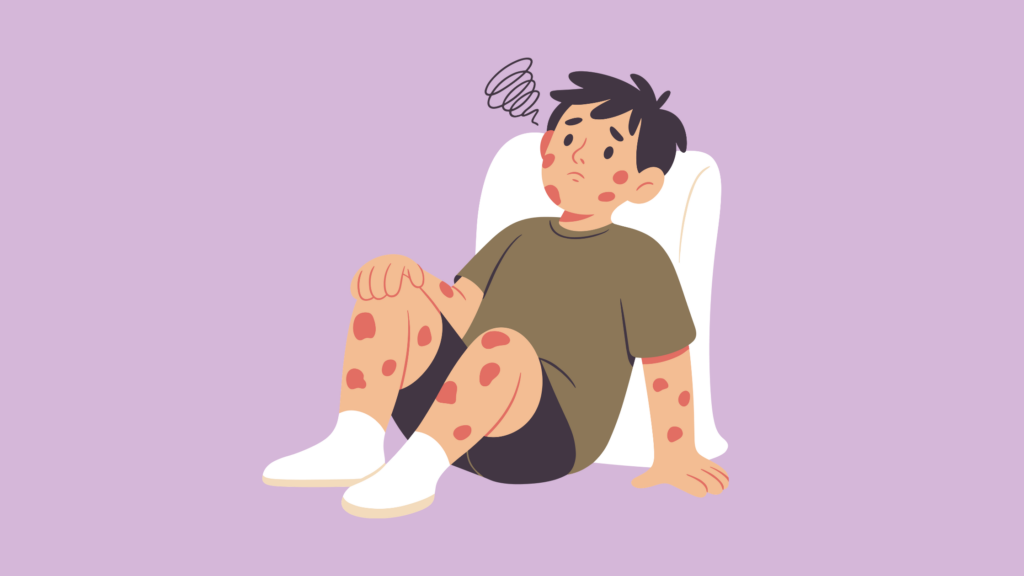
A common sign of meningitis is a rash. It looks like small red pinpricks or purple bruises. It can be harder to see on darker skin. Look at paler areas like the palms of the hands or the soles of the feet.
If you see a rash, do the glass test. Press a clear glass firmly against the marks. If the marks stay visible and do not fade, it could be an emergency.
However, don’t just wait for a rash to appear. If you’re experiencing other symptoms, get checked out because you can still become very unwell even before a rash shows up.
Trust your gut
If you or a friend feels unwell or is getting worse quickly, don’t wait. You know your body best! If you’re worried, call 999 or go to A&E straight away. Getting help early is the best way to recover.
Tell the medical staff if you have been around anyone with meningitis. Check in on your friends, especially if they are unusually tired or acting out of character.
Worried about the outbreak?
If you’re worried about the outbreak and want to talk things through, chat with our friendly advisers at Meic. We offer free information, advice and advocacy for children and young people aged 25 and under.