







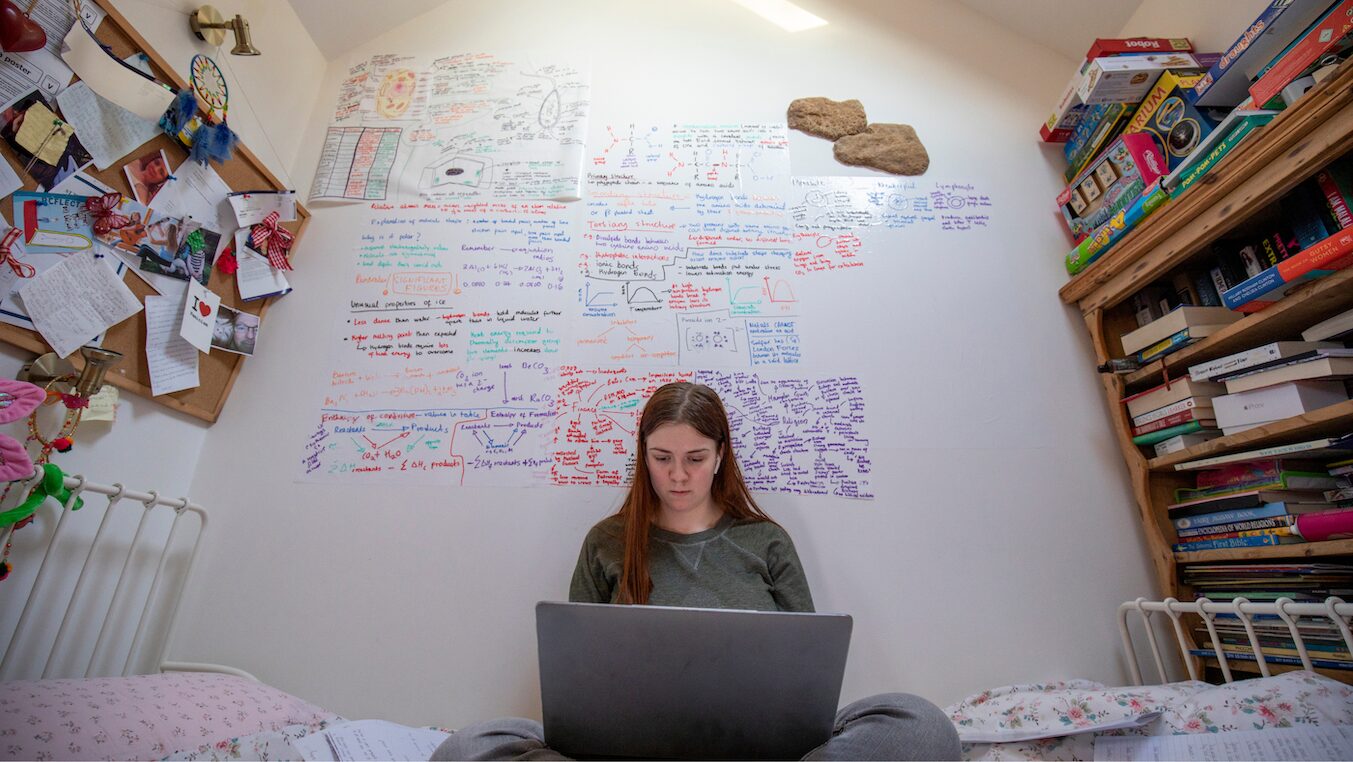
Revision can feel like a big challenge. You might find it hard to start tasks, or you get easily distracted. This can happen because of something called executive function, which many neurodivergent people experience.
This blog takes a look at revision tips that are neurodiverse-friendly to help you prepare for exams.
Use movement to focus
For some people, sitting still at a desk actually makes it harder to think. If you feel restless, try kinesthetic learning. This is when you learn better by moving your body. You could try reading your notes while walking around the room.
You can also use a fidget toy to keep your hands busy while you listen to a recording. Some people even find that jumping on a trampoline or throwing a ball while reciting facts helps the info stick. Don’t feel like you have to sit still to be “working.” If your brain learns better while you are on the move, do that!
Try visual timers and chunking
One of the biggest hurdles is how long a task looks. If you think you have to study for three hours, you might feel stuck. Chunking is when you break a giant task into tiny, bite-sized pieces. Instead of saying “I’ll revise for history,” try saying “I will read two pages, focusing on World War II”.
Using a visual timer can also help. This is a clock that shows the time that’s passed and the time remaining. It makes the idea of “20 minutes” something you can actually see. Many people find it much easier to focus when they know exactly how much time is left.

Body doubling
Have you ever noticed that you get more done when someone else is in the room? This is called body doubling. It doesn’t mean you are working on the same project together. It just means having another person nearby while you both do your own work. You can do this with a friend at the library or even over a video call.
For many people, having someone else there acts as an anchor. It helps you stay accountable because it makes you feel like you should stay on task without a teacher watching over you. If you feel lonely while revising, body doubling can make the whole process feel much more social.
Change your sounds
Sometimes, the room you are in is actually the problem. Some people find that total silence is actually too loud and distracting.
If this is you, try brown noise. This is a deep, low sound like a rumbling plane or a distant waterfall. It can mask over little sounds that might be distracting, like pots and pans or people moving about.
You could also try game soundtracks, which are designed to keep players focused without being distracting.

Record and listen
If looking at a page of text feels overwhelming, try using your voice. You can record yourself reading your notes out loud on your phone. Then, you can listen back to them while you go for a walk or do a hobby. This is a great way to revise without having to sit and stare at a screen.
You can also use text-to-speech tools. These are apps that read your digital notes or textbooks out loud to you. Hearing the words while you see them on the screen can help your brain process the information much faster.
Be kind to yourself
The most important tip is to listen to your body and your mind. If you feel very stressed or upset, stop and take a rest for a while.
Revision is hard work, and your brain uses a lot of energy to stay focused. Make sure you are eating enough and drinking plenty of water. Small snacks can help keep your energy steady so you stay focused for longer.
If a certain way of working isn’t helping today, that is okay. You can always try a different one tomorrow. Everyone’s brain is different, and finding your own rhythm is the best way to feel proud of your work.
Reach out for help
If you’re struggling with your revision, remember you’re not alone. There’s a lot of pressure on the lead-up to exams, and talking about it can help you feel better. Chat with your teachers, friends, or family for support.
Meic can also help. Speak with our friendly advisors on the Meic helpline for free, non-judgemental information, advice and advocacy.